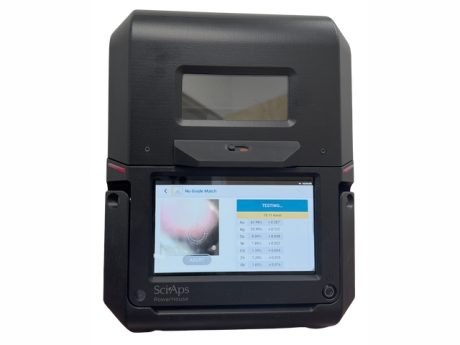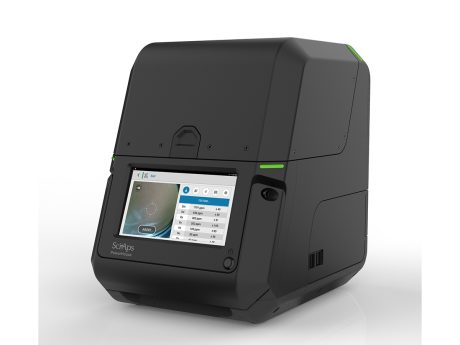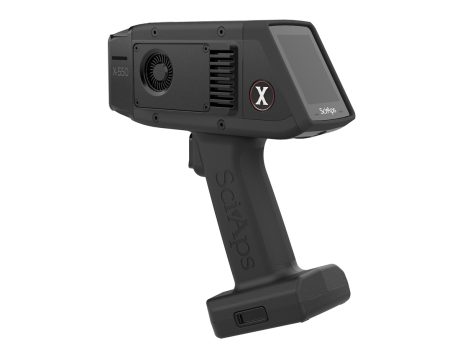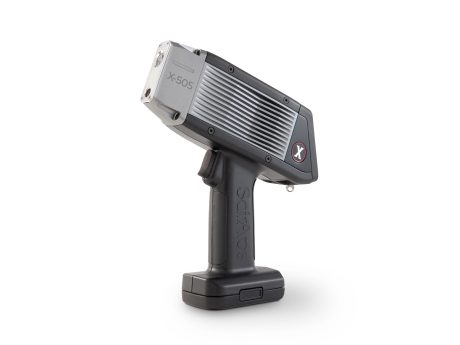
SciAps Premium X-505 XRF Analyzer
Ask for a priceSpecification
-
X-Ray Tube:
40kV Rh Anode (Alloys) or 50kV Au Anode (GeoChem, Soils, RoHS)
500µA - Detector: 20 mm2 standard SDD, 125k cps
-
Materials:
Alloys:
Mg, Al, Si, P, S, Ti, V, Cr, Mn, Fe, Co, Ni, Cu, Zn, Se, Y, Zr, Nb, Mo, W, Ta, Hf, Re, Au, Pb, Bi, Ru, Pd, Ag, Cd, Sn, Sb
Precious Metals:
Ti, Cr, Mn, Fe, Co, Ni, Cu, Zn, Ga, W, Au, Ge, Ir, Pt, Au, Pb, Bi, Zr, Mo, Ru, Rh, Pd, Ag, Cd, In, Sn, Sb
Mining:
Mg, Al, Si, P, S, K, Ca, Ti, V, Cr, Mn, Fe, Co, Ni, Cu, Zn, As, Se, Sr, Rb, Zr, Nb, Mo, W, Ta, Au, Hg, Pb, Bi, U, Ag, Sn, Sb, Ba
Soils:
Mg, Al, Si, P, S, Ti, V, Cr, Mn, Fe, Co, Ni, Cu, Zn, As, Se, Sr, Rb, Zr, Mo, W, Tl, Hg, Pb, Bi, Ag, Cd, Sn, Sb, Ag, Cd, Sn, Sb, Ba - Weight: 1.27 kg with battery
- Operating System: Android
- Dimensions: 18 x 26 x 11 cm
- Display: 2.7" Color Capacitive Touchscreen, 400 MHz Qualcomm Adreno 306 2D/3D Graphics Accelerator
- PC Software: SciAps Profile Builder
Description
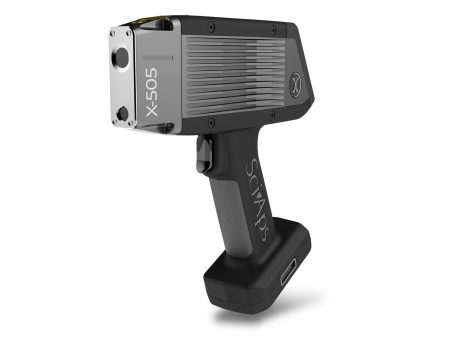
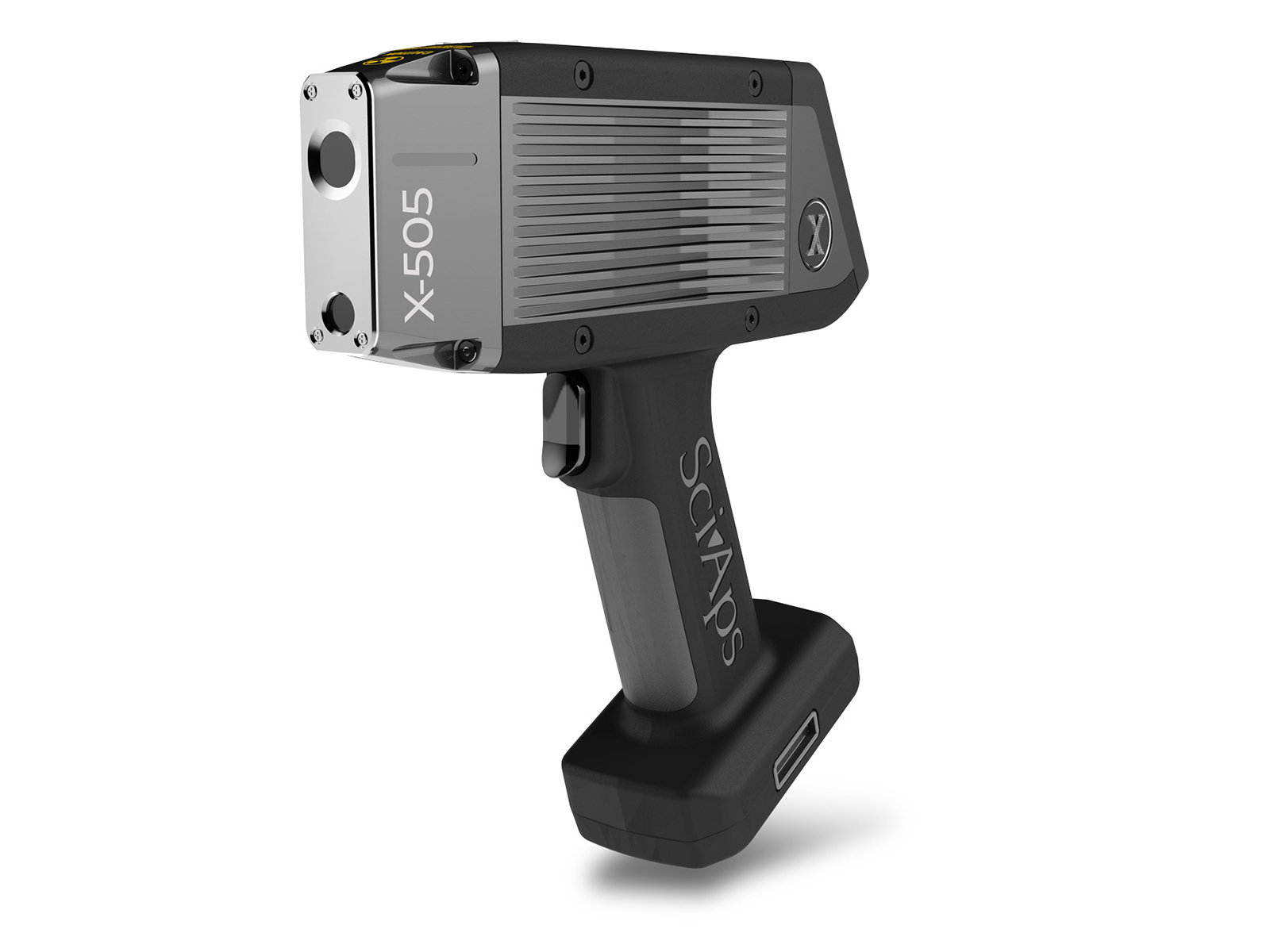
SciAps Premium X-505 XRF Analyzer – Ultra-Compact, High-Precision Handheld XRF for Alloys, Metals, Mining, Soils & More
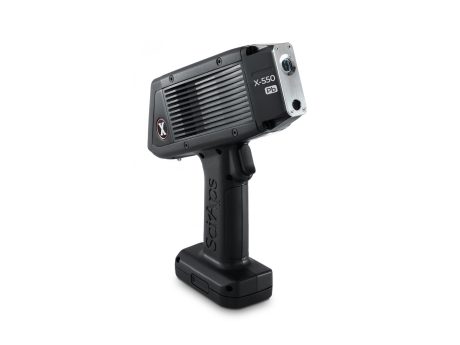
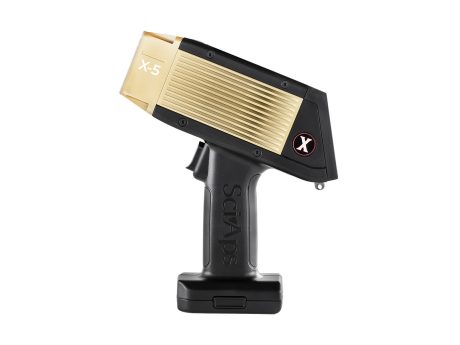
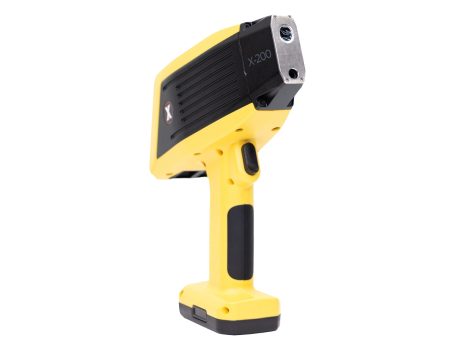
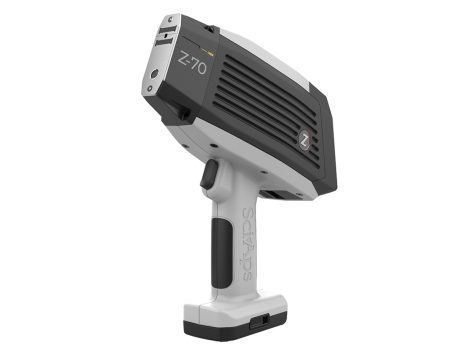
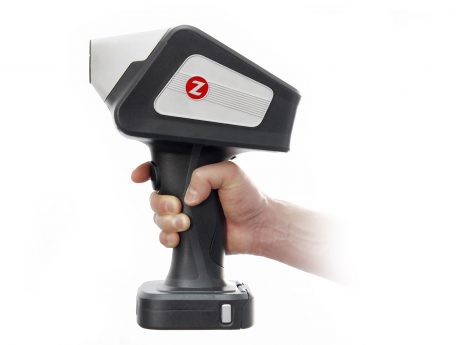
The SciAps X-505 is the smallest and lightest fully-featured handheld XRF analyser on the market, yet delivers lab-grade performance in a rugged, field-ready format. Built on the proven SciAps X-Series platform, the X-505 combines a powerful X-ray source, high-resolution SDD detector, and optimized geometry — making it ideal for alloy identification, scrap sorting, PMI/NDT inspections, precious-metal assays, mining/geochemical work, soil analysis, environmental screening, and compliance testing.
—
Key Features & Strengths
Premium 25 mm² SDD detector & powerful X-ray tube
- Detector: 25 mm² Silicon Drift Detector (SDD) with high resolution (~135 eV) — enabling precise detection across a broad range of elements.
- X-ray tube: 5 W, maximum 50 kV / 200 µA. Anode material selectable depending on application: Rh for alloys, Au for precious metals, soils, mining, catalysts, RoHS applications.
- Flexible beam conditions and filter wheel for beam optimization — ensuring accurate results across very different sample types.
Broad element coverage — from light alloys to heavy metals and beyond
The X-505 offers dedicated analysis packages (“apps”) tailored to various applications: alloys (light and heavy), precious metals, soils, mining/ore, and environmental screening. Depending on the selected package, the analyzer can detect from elements such as Mg, Al, Si, P, S (important for light alloys), up to heavy and precious metals, and many trace elements — making it extremely versatile.
Lightning-fast analysis & optimized for difficult elements
- For most alloys (including aluminum alloys), the X-505 delivers positive material identification (PMI) in 1 second or less.
- Optimized detection for low-atomic-number elements (Mg, Al, Si, P, S) — a traditional challenge for portable XRF — enabling reliable aluminium-alloy sorting and light-alloy analysis.
- Also capable of detecting low concentration “residual/tramp” elements (e.g. Ni, Cr, Cu, V, Nb, Mo in steels; Pb, Bi in nickel or copper alloys), which is critical for quality control, scrap sorting, and compliance.
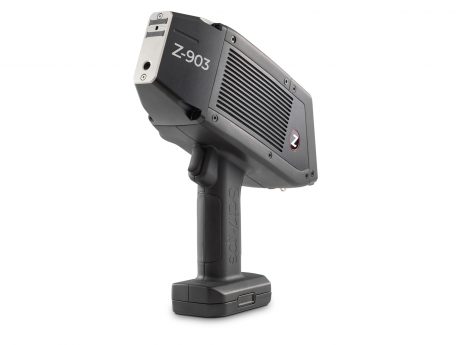
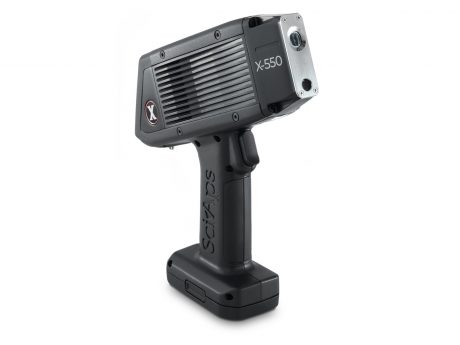
Compact, ergonomic, and field-ready design
- Weight: approx. 1.35 kg (2.98 lbs) including battery — makes it the lightest among full-featured handheld XRF analyzers.
- Dimensions: about 8.5″ × 9.5″ × 2.4″ — compact for access to welds, hard-to-reach parts, tight spaces.
- Built for extended field use: efficient heat management allows all-day operation even in demanding environments without overheating.
Modern user interface & data management
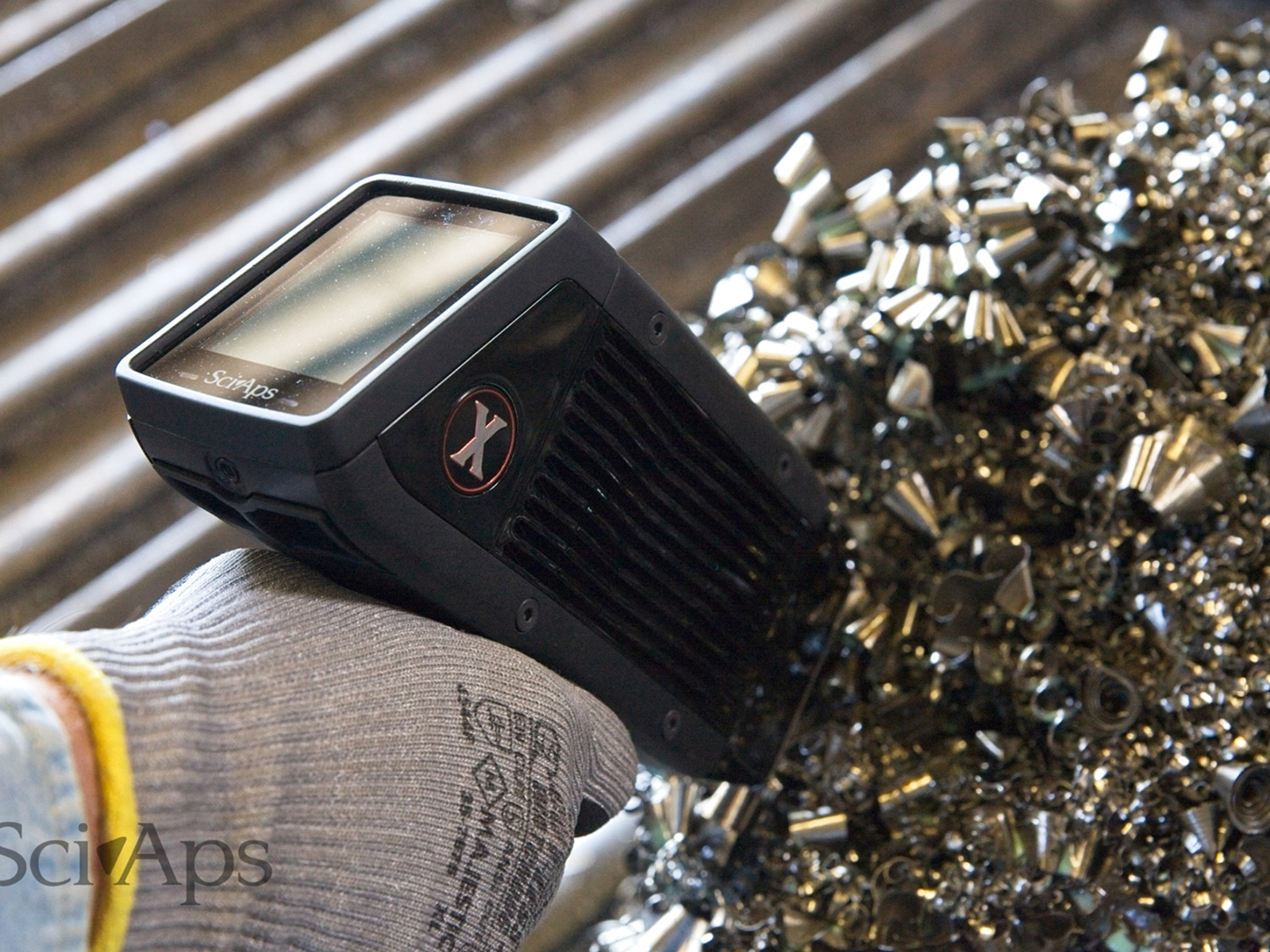
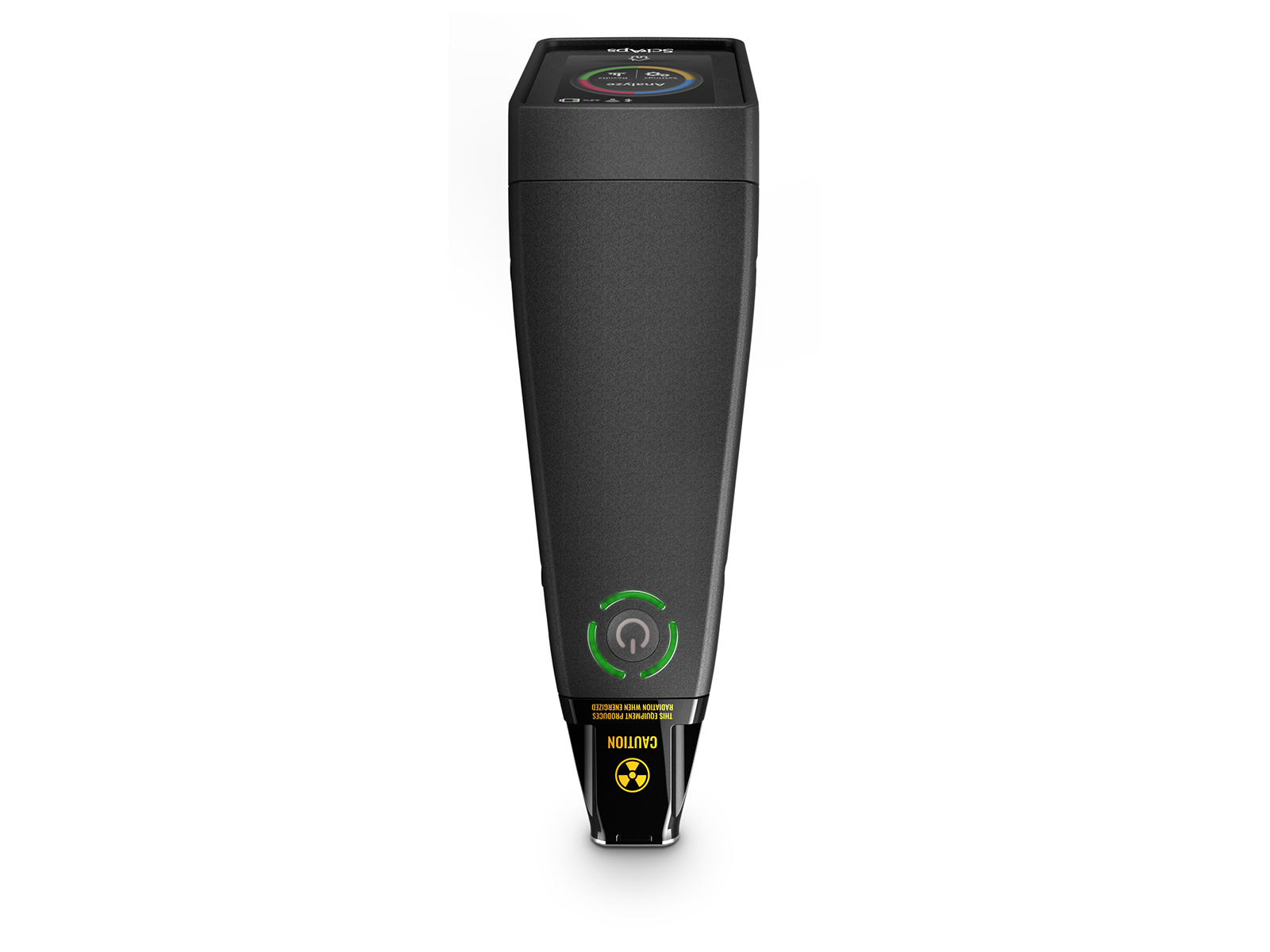
- Runs on Android; touchscreen with a vibrant 2.7″ color capacitive display, giving the feel of a smartphone.
- Built-in connectivity: Wi-Fi, Bluetooth, USB; optional GPS; supports data export, report generation, and connection to lab or enterprise information systems (e.g. via software like “SciAps Profile Builder”).
- Suitable for both handheld “point-and-shoot” use and more controlled analyses (e.g. with test-stands for ores or soil when needed).
—
Typical Detection Performance & Use Cases
Strong performance for
- Light alloys: aluminium, Mg-based alloys — with reliable measurement of light elements (Mg, Al, Si, etc.) — important for aluminium-alloy sorting and PMI in non-ferrous work.
- Stainless steels, tool steels, nickel, cobalt, titanium and other high-temperature or specialty alloys — suitable for PMI (positive material identification), quality control, and failure inspection.
- Precious metals and complex alloys — capable of analyzing materials containing Au, Pt, Pd, heavy and rare metals, as well as mixed-metal scrap or catalysts.
- Mixed scrap processing — detection of tramp/residual elements, verification of alloy composition before recycling or melting; sorting of mixed metals (ferrous + non-ferrous).
Also suitable for
- Environmental and soil screening — when equipped with the appropriate “environmental/soils” module/app, the analyzer can detect many relevant elements (heavy metals, contaminants) in soils, sediments or waste; suitable for environmental compliance, site screening, mining-related soil/ore work.
- Mining, geology, ore-grade control, exploration — as a first-pass screening tool for ores, minerals, sediments.
- Regulatory compliance (e.g. RoHS, hazardous-metal screening) — with appropriate calibration or apps covering regulated elements like Pb, Cd, Hg, and other heavy metals, where applicable.
—
Strengths — When X-505 Is the Right Tool
- When you need a single, portable, field-ready instrument capable of handling a wide range of sample types (metals, alloys, scrap, soil, ores, precious metals).
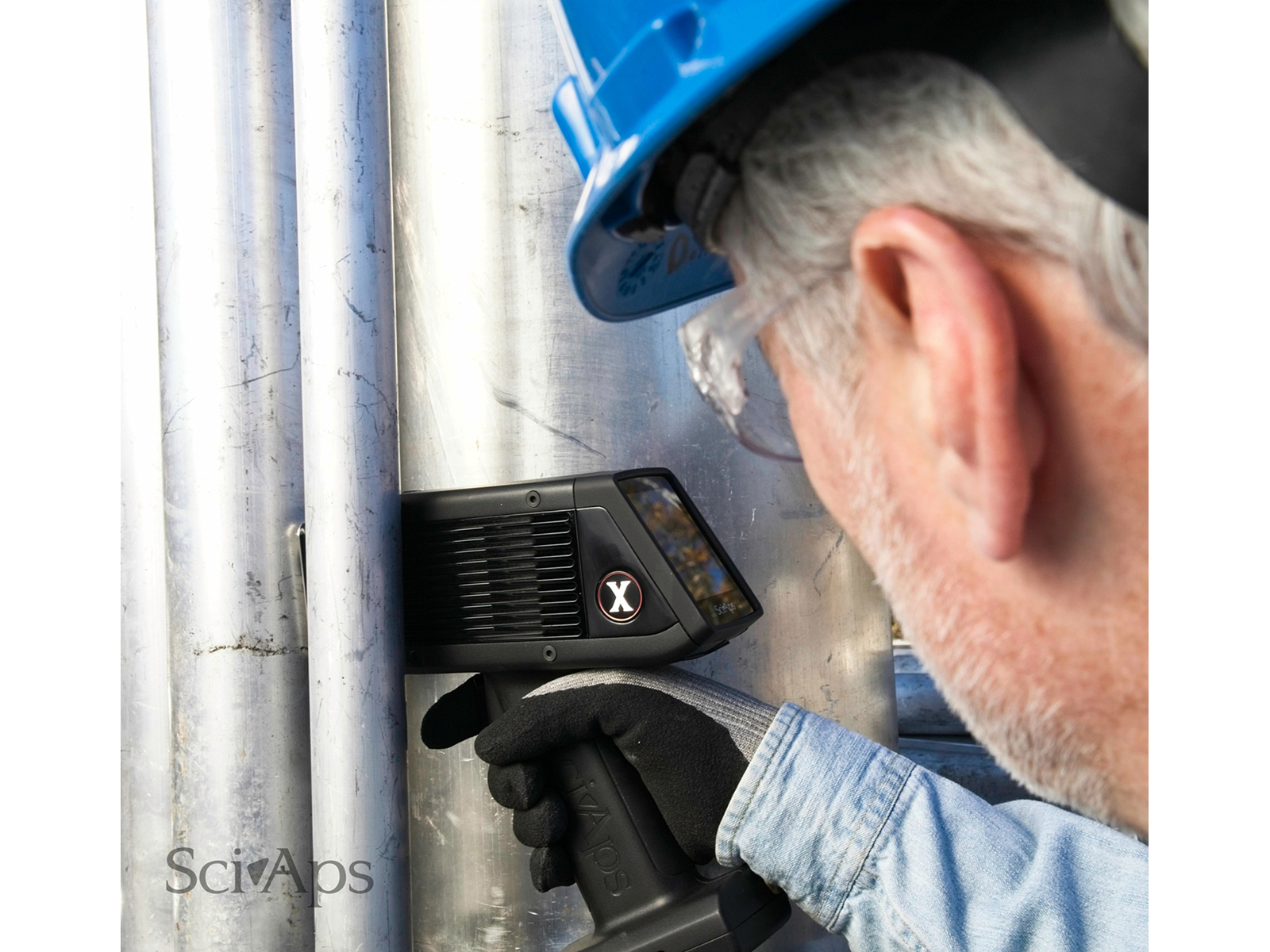
- For tight spaces or difficult-to-reach inspections (welds, pipelines, fabricated parts) — the light weight and compactness make X-505 especially suited for NDT/PMI work.
- When speed matters — quick alloy ID, rapid scrap sorting, fast on-site decisions — results in 1–2 seconds for many alloys.
- If your work involves light alloys (e.g. aluminium, magnesium) — where light-element detection (Mg, Al, Si) is important.
- For flexibility and versatility — multiple “apps” for different use cases (alloy, scraps, mining, soil, environment, precious metals, custom calibrations).
—
Limitations & Considerations
- While performance on light elements is very good for a handheld XRF, ultimate detection limits and precision depend on sample homogeneity, preparation, and measurement conditions — as with any field instrument.
- For some ultra-low concentrations (trace analysis), or very stringent regulatory requirements (e.g. soil heavy-metal screening, environmental compliance), lab-based methods (ICP, wet chemistry) may still be necessary to confirm results.
- As with all XRF: surfaces should be clean, smooth, and representative; coatings, paint, corrosion, rough geometry may affect measurement accuracy.
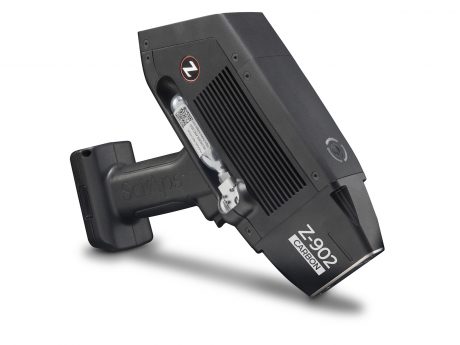
- For measuring carbon (in steels, cast irons, etc.) or very light elements like Be, Li — XRF alone may not suffice; such cases often require complementary technology (e.g. laser LIBS). Indeed, for carbon analysis, the manufacturer suggests using a dedicated portable laser system when required.
—
Recommended Industries & Typical Applications
- Metal fabrication & PMI / NDT — weld inspection, alloy verification, stainless steel certification, quality control.
- Scrap metal recycling & sorting — sorting aluminium, light alloys, mixed scrap; detection of tramp metals or contaminants before melting or resale.
- Non-ferrous metal processing & foundries — alloy verification, incoming material quality assurance, sorting of non-ferrous and precious-metal scrap.
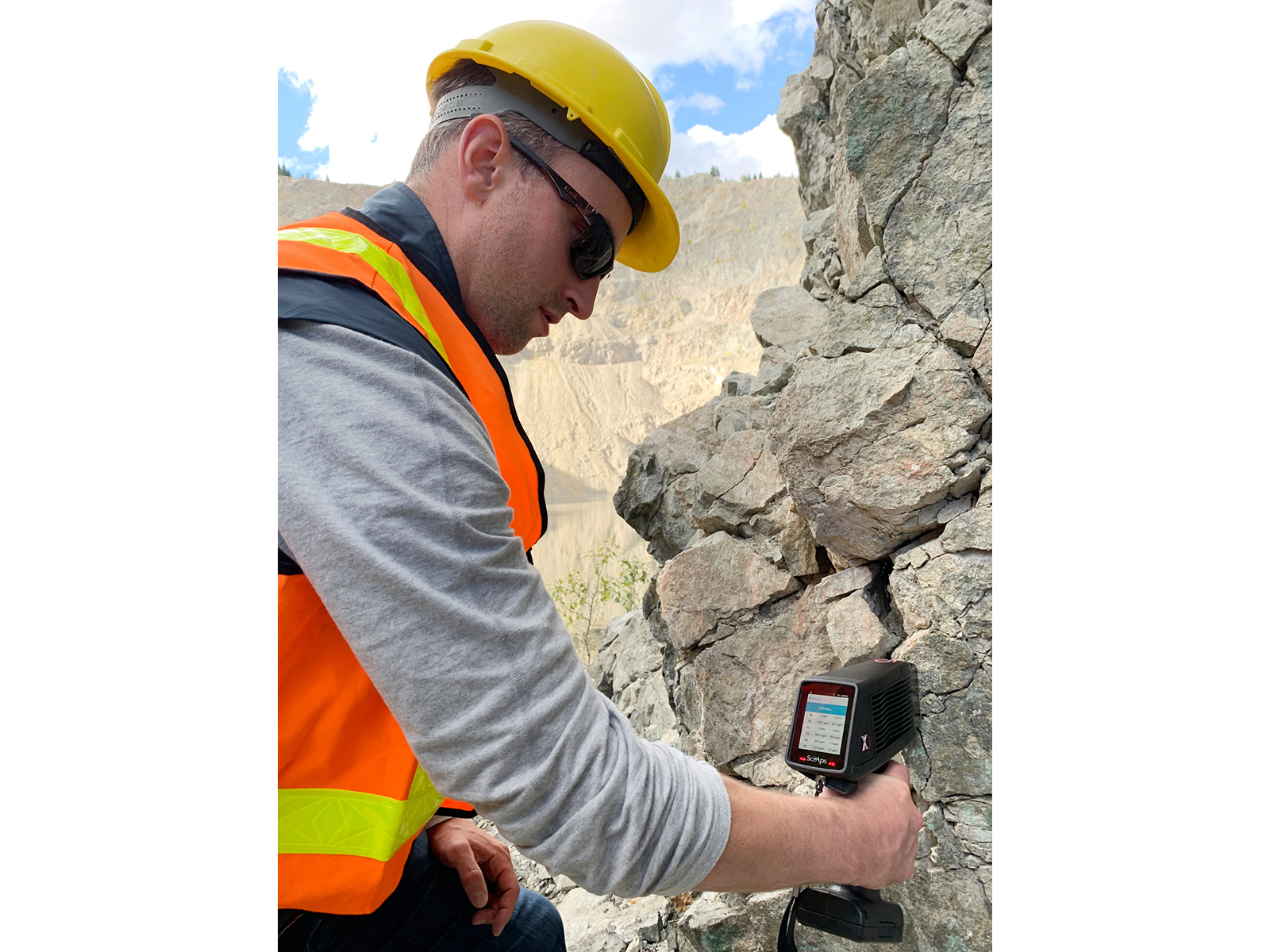
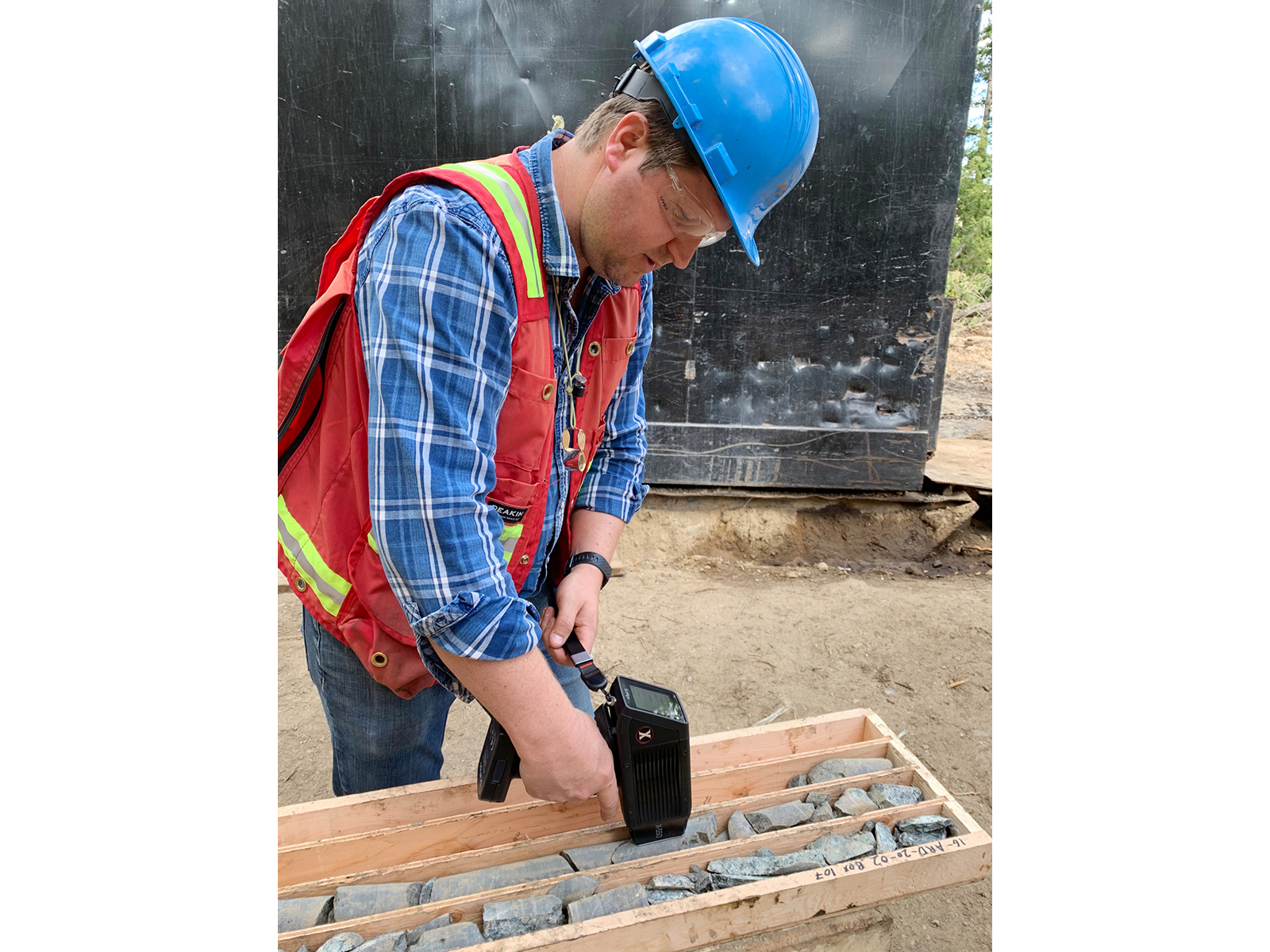
- Mining & Geochemistry — ore screening, mineral exploration preliminary analyses, geological surveys, field-based elemental screening.
- Environmental & Soil Testing — screening of soils, sediments, industrial waste for heavy metals, pollutants, remediation control.
- Precious metals & recovery operation — assay of precious-metal alloys, scrap catalytic converters, complex multi-metal materials.
- Research, field labs & portable analysis needs — any case requiring fast, in-situ elemental analysis with flexibility over sample type and elemental range.
—
Summary — Why SciAps X-505 Is an Excellent All-Round Handheld XRF
The SciAps X-505 XRF Analyser delivers an exceptional balance of precision, speed, portability and versatility. Its combination of a high-resolution SDD detector, flexible X-ray source, optimized geometry, and Android-based data system makes it a powerful tool for a very wide spectrum of applications — from metal fabrication and recycling, through mining and environment, to precious-metal assay and regulatory compliance. For professionals who need a single, flexible, field-ready instrument rather than multiple specialized tools, the X-505 stands out as a top-tier choice.